Examples use figures that apply only to the respective task. They are marked in the builder and are not manufacturer data.
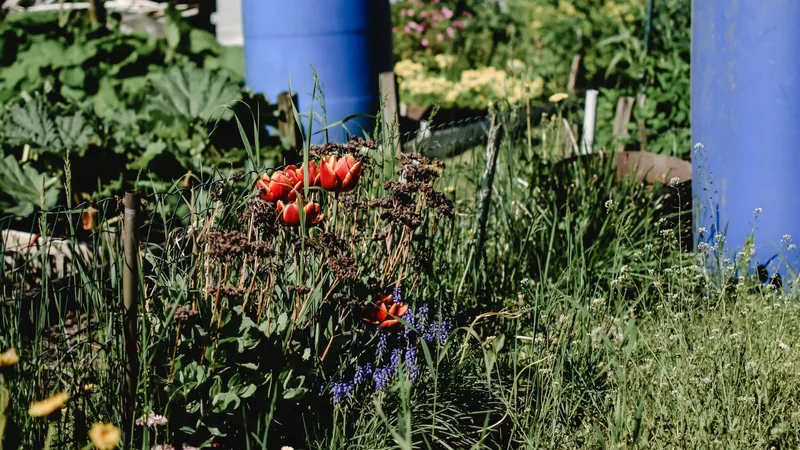 Symbolic image: Community garden with blue rain barrelsPhoto: Eva Bronzini · Pexels
Beginner · Water
Watering a community garden
Hot summers, dry spells – and the beds should still stay green.
Mannheim, Germany
Goal: on average 50 litres of irrigation water per day and storage for 5 dry days. Drinking water is not needed.
Start example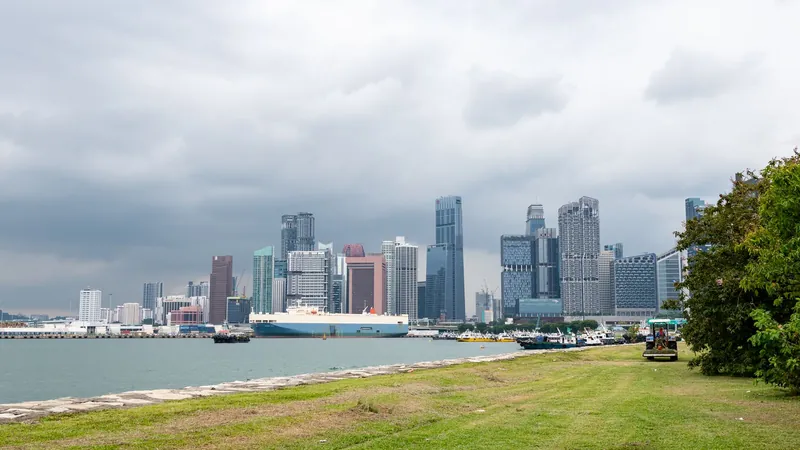 Symbolic image: Singapore skyline under rain cloudsPhoto: Ravish Maqsood · Pexels
Beginner · Water
Drinking water for a school in Singapore
Hot, humid and lots of rain – almost everything works here. But what makes the most sense?
Singapore
Goal: on average 80 litres of drinking water per day, with its own electricity and storage for one day.
Start example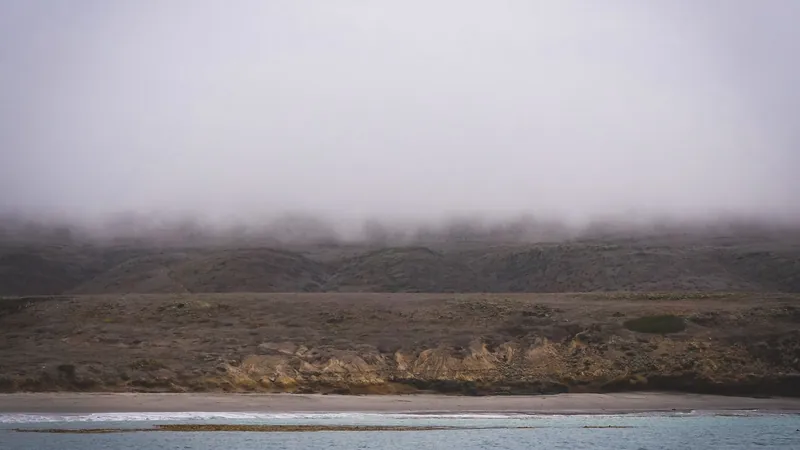 Symbolic image: Fog bank over a rocky coastPhoto: Kindel Media · Pexels
Beginner · Water
Fog water for a fishing village in the Atacama
Almost never any rain – but the “camanchaca”, a dense coastal fog, regularly climbs the slopes.
Alto Patache, Chile
Goal: on average 40 litres of drinking water per day and storage for 2 days.
Start example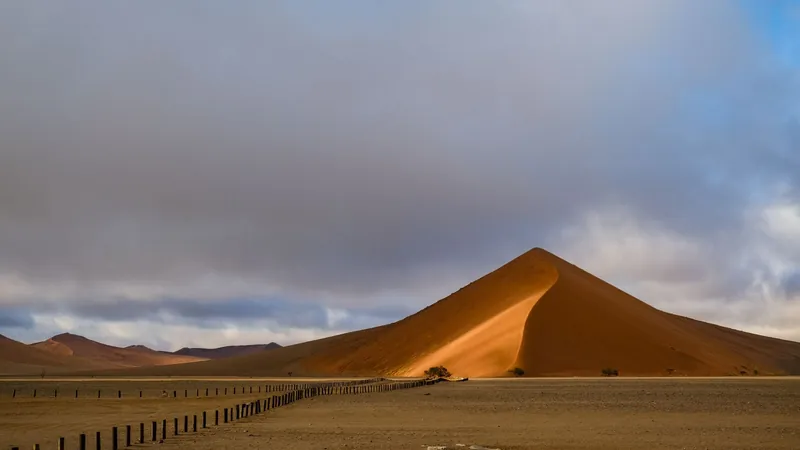 Symbolic image: Dune in the Namib Desert under cloudsPhoto: Francesco Ungaro · Pexels
Beginner · Water
Water for a village in the Namib
Hardly any rain, but regular fog from the Atlantic.
Gobabeb, Namibia
Goal: a system that delivers on average at least 80 litres of clean drinking water per day.
Start example Symbolic image: Sand dunes in the desert near Dubai in hazePhoto: Kadir Avşar · Pexels
Advanced · Water
Drinking water from air and sun in Dubai
Lots of sun, humid summers, almost no rain – can air water supply a family here?
Dubai, United Arab Emirates
Goal: on average 20 litres of drinking water per day, only with its own electricity, all year round – plus storage for 2 days.
Start example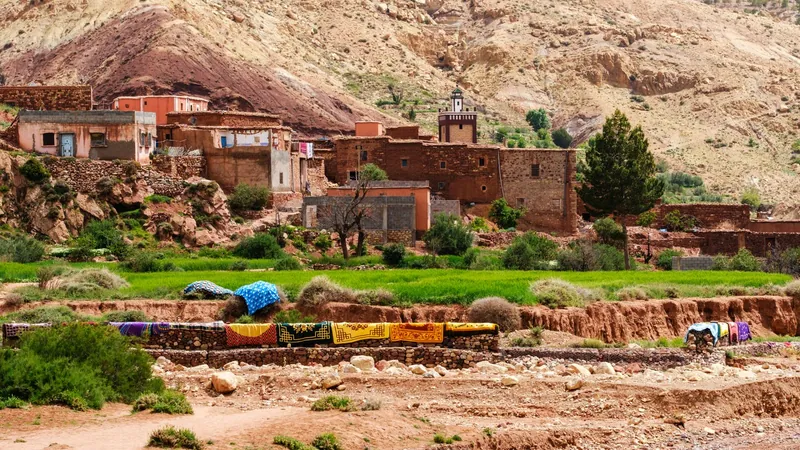 Symbolic image: Berber village in the Atlas Mountains, MoroccoPhoto: Pierre Matile · Pexels
Advanced · Water
Fog nets for mountain villages in Morocco
At the edge of the Sahara, villages get their water from Atlantic fog – a real project.
Aït Baamrane, Morocco
Goal: on average 100 litres of drinking water per day for several families and storage for 3 days.
Start example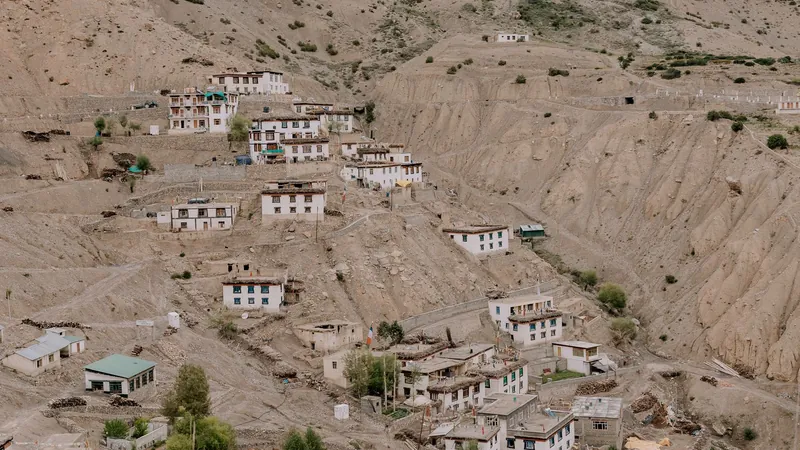 Symbolic image: The village of Marango Rangarik in Himachal Pradesh, IndiaPhoto: Harsh Kukadiya · Pexels
Advanced · Water
Water for a pilgrimage site in the Himalayas
Monsoon rain in summer, fog almost all year, frost in winter – a smart mix pays off here.
Pathivara, Nepal
Goal: on average 90 litres of drinking water per day and storage for 7 days, because rain falls only in a few months.
Start example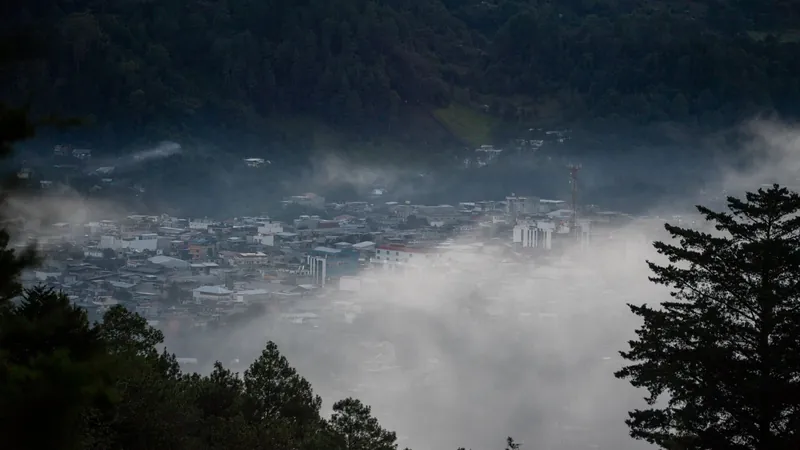 Symbolic image: Fog over Quiché in the Guatemalan highlandsPhoto: Diego Girón · Pexels
Beginner · Water
Fog and rain for a highland village in Guatemala
At 3,300 m the clouds often sit right in the village – a real fog project.
Tojquia, Guatemala
Goal: on average 70 litres of drinking water per day for the village and storage for 3 days.
Start example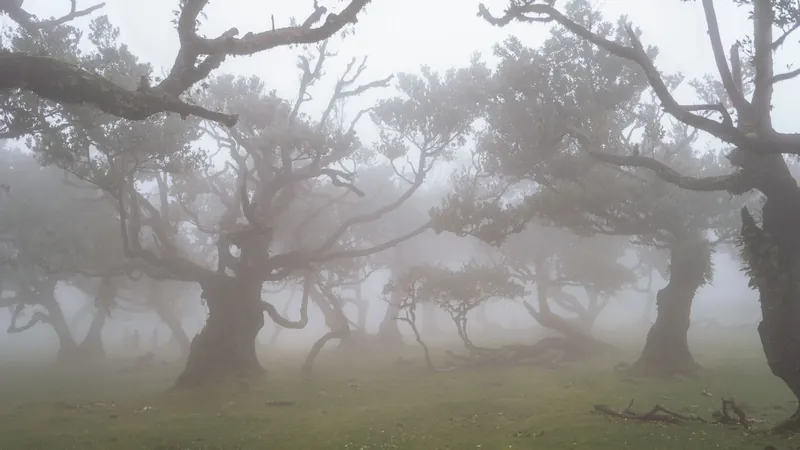 Symbolic image: Laurel forest in fog, MadeiraPhoto: Daria Agafonova · Pexels
Beginner · Water
Trade-wind fog in the Anaga mountains on Tenerife
The north-east trade wind pushes moist air against the mountains – a fog belt that brings a lot of water.
Anaga, Tenerife (Spain)
Goal: on average 60 litres of drinking water per day for a hamlet and storage for 2 days.
Start example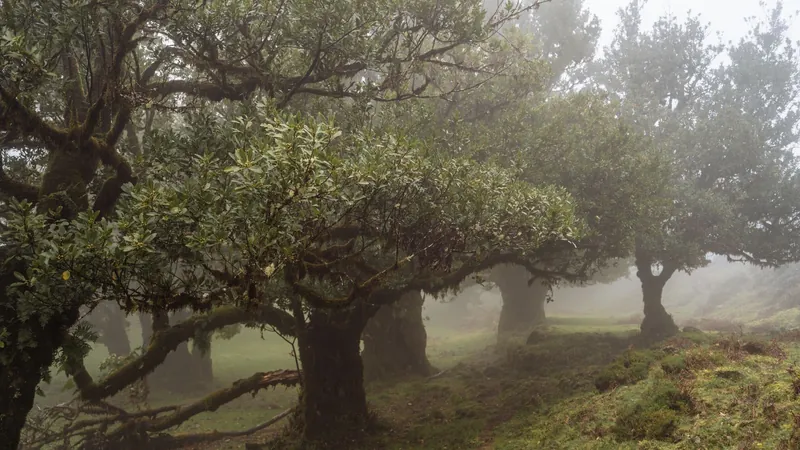 Symbolic image: Ancient laurel trees in the misty forest of MadeiraPhoto: Daria Agafonova · Pexels
Advanced · Water
Cloud forest in Garajonay National Park on La Gomera
An ancient laurel forest lives on fog – but how much water is left for people?
Garajonay, La Gomera (Spain)
Goal: on average 50 litres of drinking water per day for the visitor centre and storage for 2 days.
Start example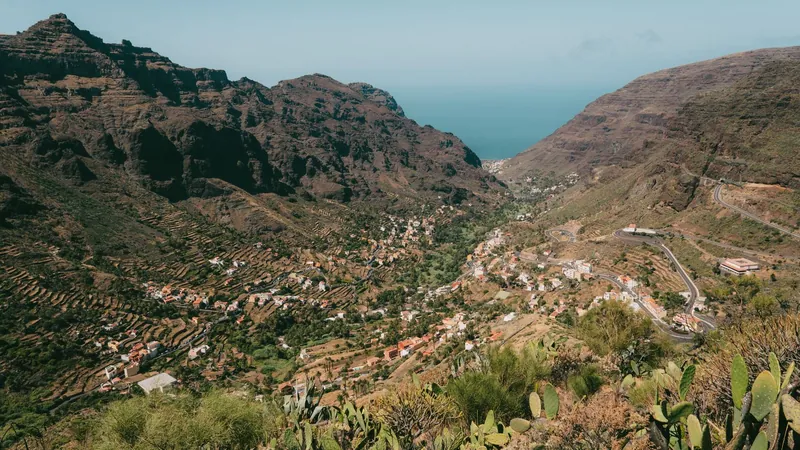 Symbolic image: Terraces in Valle Gran Rey, La GomeraPhoto: Liisbet Luup · Pexels
Advanced · Water
Drinking water for a farm on Gran Canaria
Little rain, moderate wind, lots of sun – which mix fits?
Gran Canaria (Spain)
Goal: on average 25 litres of drinking water per day, only with its own electricity, ideally all year – plus storage for 2 days.
Start example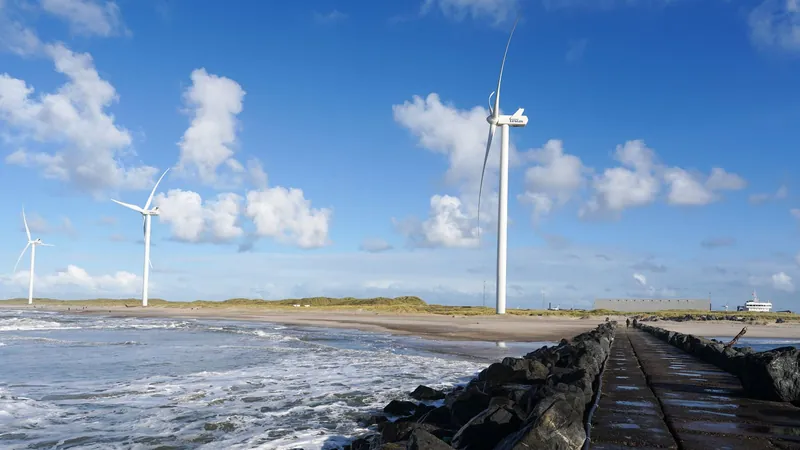 Symbolic image: Wind turbines on the coast at Hvide Sande, DenmarkPhoto: Wolfgang Weiser · Pexels
Advanced · Water
Air water with wind power on Lanzarote
The windiest of the Canary Islands – is the wind enough for water from the air?
Lanzarote (Spain)
Goal: on average 25 litres of drinking water per day with wind power and storage for 2 days.
Start example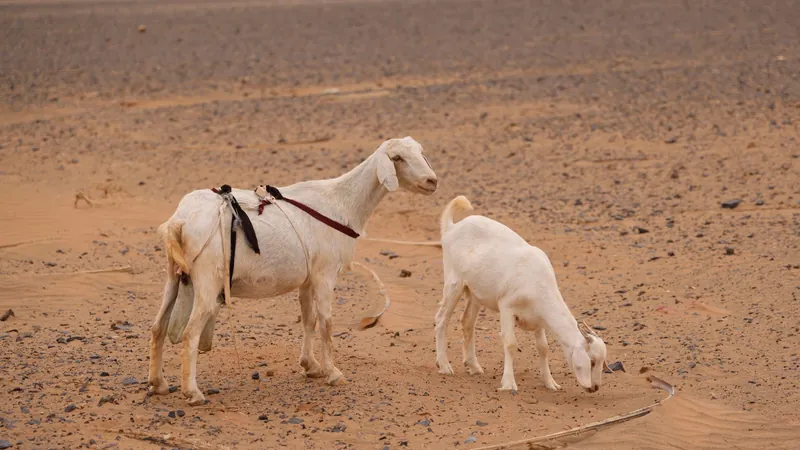 Symbolic image: Goats in a dry, sandy landscapePhoto: Christophe Rascle · Pexels
Advanced · Water
Water for a goat farm on Fuerteventura
The driest of the large Canary Islands – here you see how much effort water from the air takes.
Fuerteventura (Spain)
Goal: on average 50 litres of service water per day and storage for 3 days.
Start example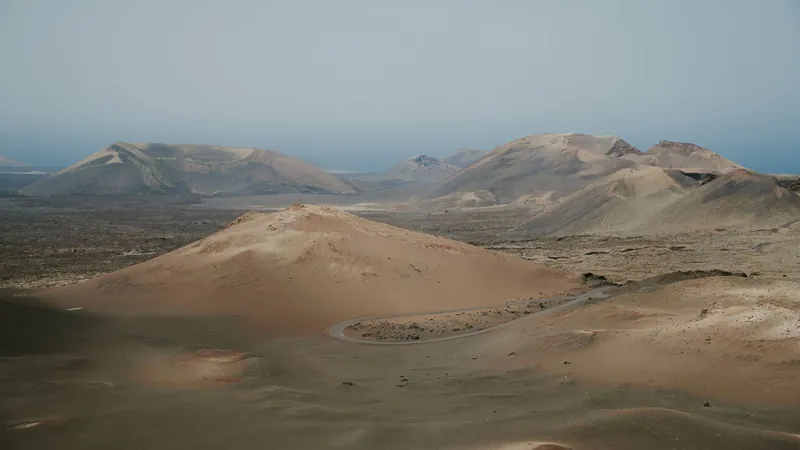 Symbolic image: Volcanic landscape on LanzarotePhoto: Mihai Vlasceanu · Pexels
Advanced · Water
Drinking water for a school on La Palma – and the limits of the data
La Palma is steep, green and often cloudy – but the coarse climate grid mostly sees sea.
La Palma (Spain)
Goal: on average 40 litres of drinking water per day with its own electricity and storage for 2 days.
Start example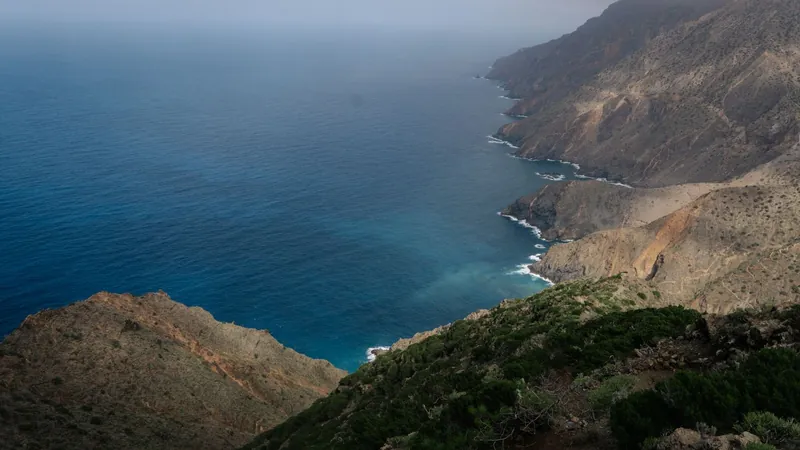 Symbolic image: Cliffs near Vallehermoso, La GomeraPhoto: Liisbet Luup · Pexels
Advanced · Water
Water and energy for El Hierro
A small island that gets much of its electricity from wind and a pumped-storage plant.
El Hierro (Spain)
Goal: on average 60 litres of drinking water per day for a village, only with wind power, and storage for 2 days.
Start example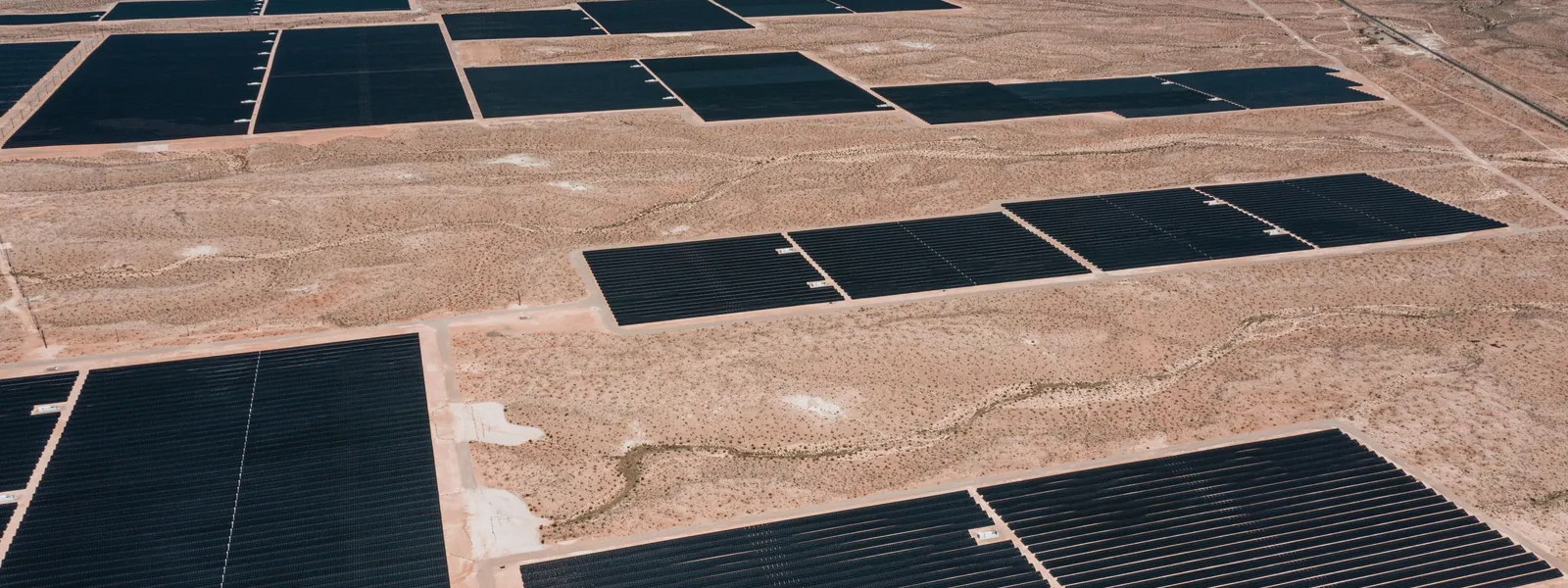 Symbolic image: Solar farm in the desert, aerial viewPhoto: Kelly · Pexels
Beginner · Electricity
Power for a family home
One roof, four people, 4,000 kWh a year – how much of it can the system cover?
Mannheim, Germany
Goal: at least 60 % of annual consumption comes from the own system. The rest comes from the grid; surplus is exported.
Start exampleSymbolic image: Wind turbines on the coast at Hvide Sande, DenmarkPhoto: Wolfgang Weiser · PexelsAdvanced · Electricity
A farm on the North Sea coast
Plenty of wind, little winter sun: how do solar and a wind turbine share the work?
Husum, North Frisia
Goal: at least 70 % of the electricity from sun and wind on the farm.
Start exampleSymbolic image: Solar farm in the desert, aerial viewPhoto: Kelly · PexelsAdvanced · Electricity
A small workshop
12,000 kWh a year and a flat roof: does solar power pay off for a craft business?
Freiburg, Germany
Goal: at least 35 % of consumption from the own system, without a battery.
Start exampleSymbolic image: Terraces in Valle Gran Rey, La GomeraPhoto: Liisbet Luup · PexelsBeginner · Electricity
A holiday home without a grid
No connection anywhere near: are sun and battery enough for lights, fridge and pump?
Algarve hinterland, Portugal
Goal: at least 90 % of the electricity from the own system – without a grid, the rest has to come from a generator.
Start exampleThere are no examples for this selection.